Evidence-based skin and hair education for skin of color.
Clear, culturally aware education on acne, hyperpigmentation, eczema, hair loss, and more — designed to make skin and scalp health easier to understand.
Myth vs Fact
Clearing up common misconceptions about skin, hair, and scalp health in skin of color.
There’s a lot of skincare advice online, but not all of it is accurate — and not all of it is written with skin of color in mind. Here are a few common myths we hear and the facts behind them.
-
Fact: Skin of color can still experience sun damage, worsening hyperpigmentation, and even skin cancer. While melanin offers some natural protection, it does not fully prevent UV damage. Daily sunscreen is still an important part of protecting skin health and preventing dark spots from becoming harder to treat.
-
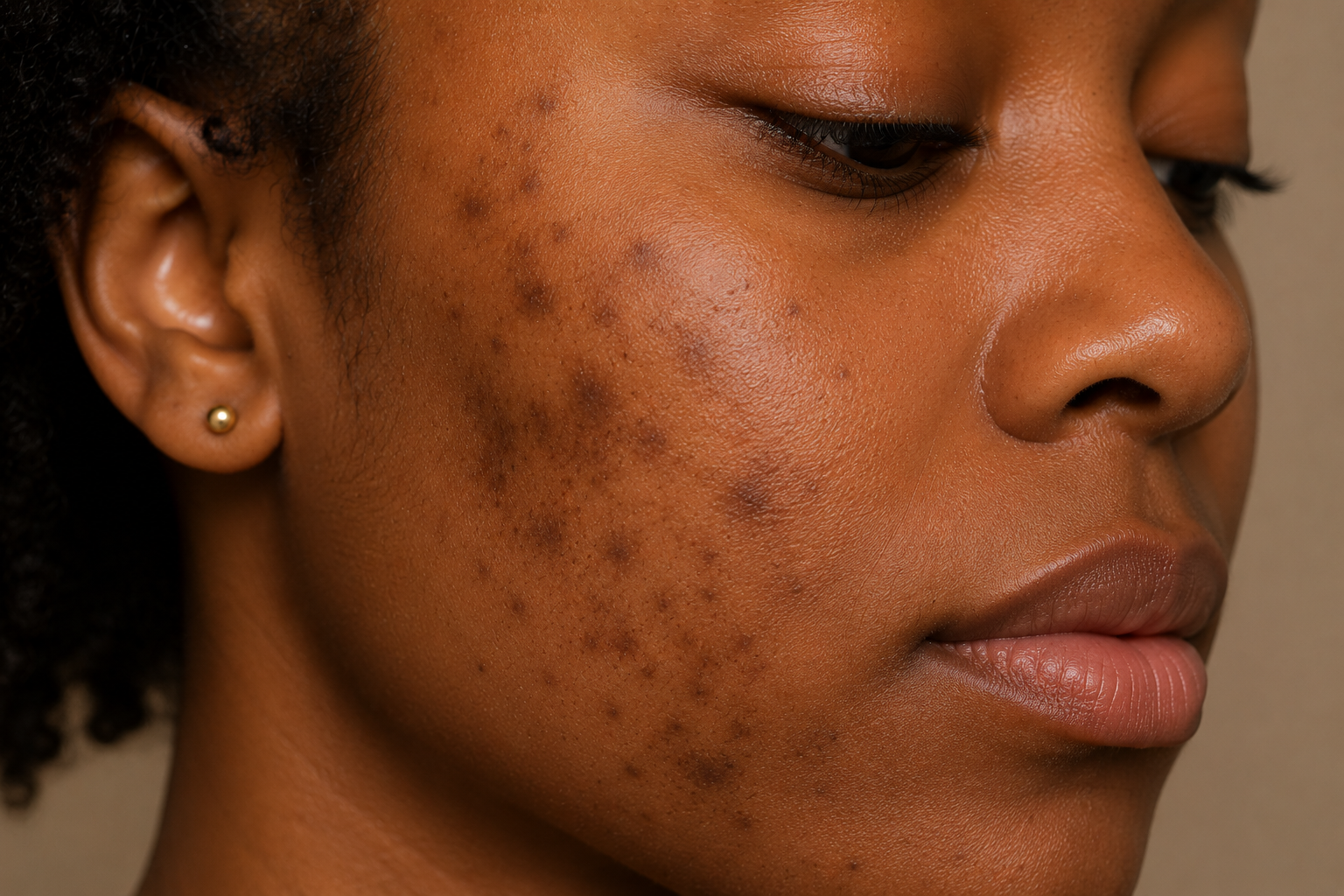
Fact: Acne and post-inflammatory hyperpigmentation are related, but they are not the same thing. Acne refers to the active breakouts, while the dark marks left behind are often a separate issue caused by inflammation. In skin of color, both problems may need to be treated at the same time to improve overall skin clarity.
-
Fact: “Natural” does not automatically mean gentle, effective, or safe. Some natural oils, fragrances, and plant extracts can irritate the skin, trigger eczema flares, or worsen breakouts and discoloration. What matters most is whether an ingredient is appropriate for your skin concern, skin type, and overall routine.
-
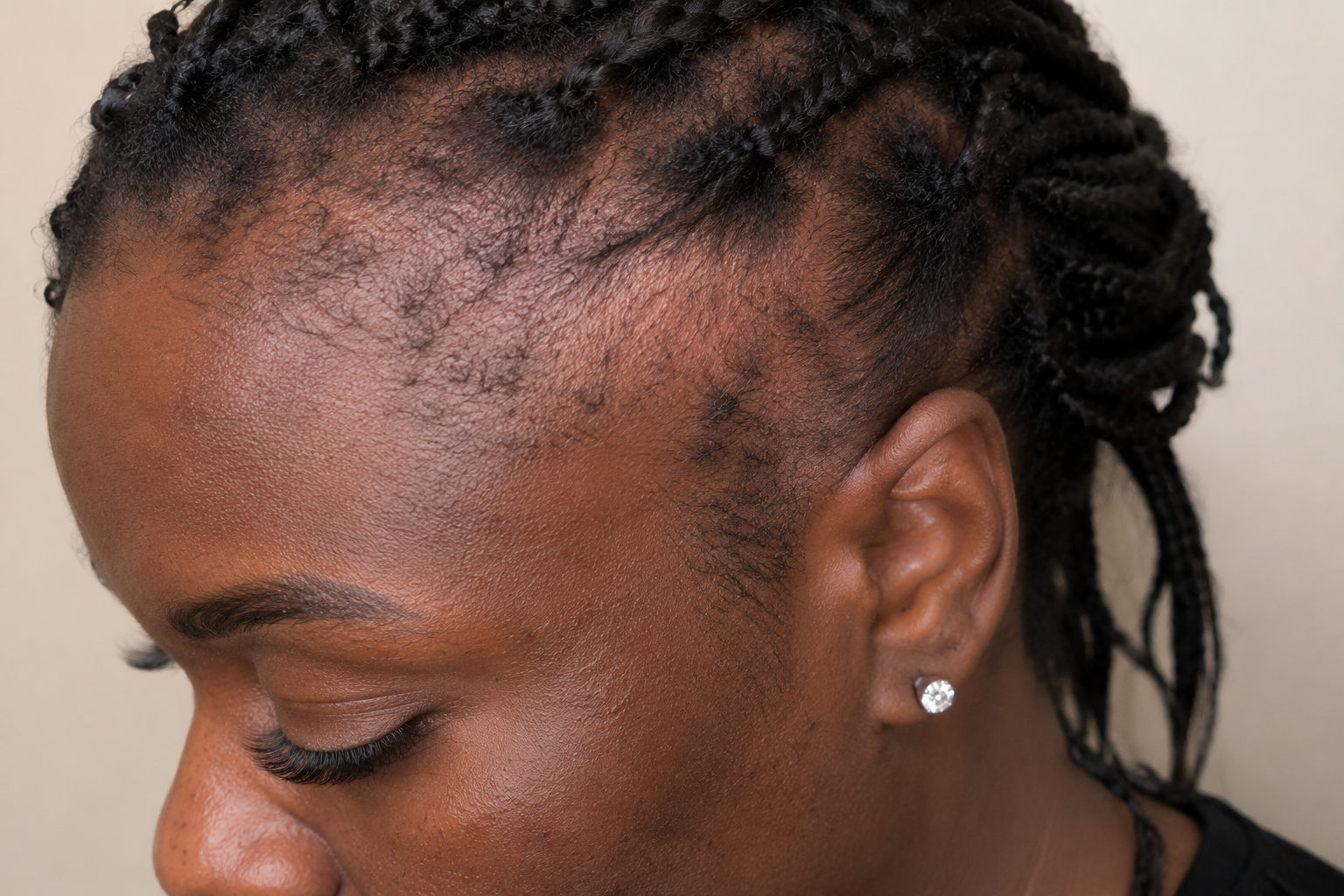
Fact: Hair loss can sometimes reflect inflammation, tension, hormonal changes, or underlying scalp conditions that deserve attention early. For many people with textured hair, practices meant to style or protect the hair can also contribute to breakage or traction-related loss over time. Understanding the cause is an important first step in protecting long-term scalp and hair health.
Our mission is to make skin and hair education clearer, more inclusive, and more useful for people with skin of color. We translate evidence into practical, culturally aware education that helps people better understand their skin, scalp, and hair.
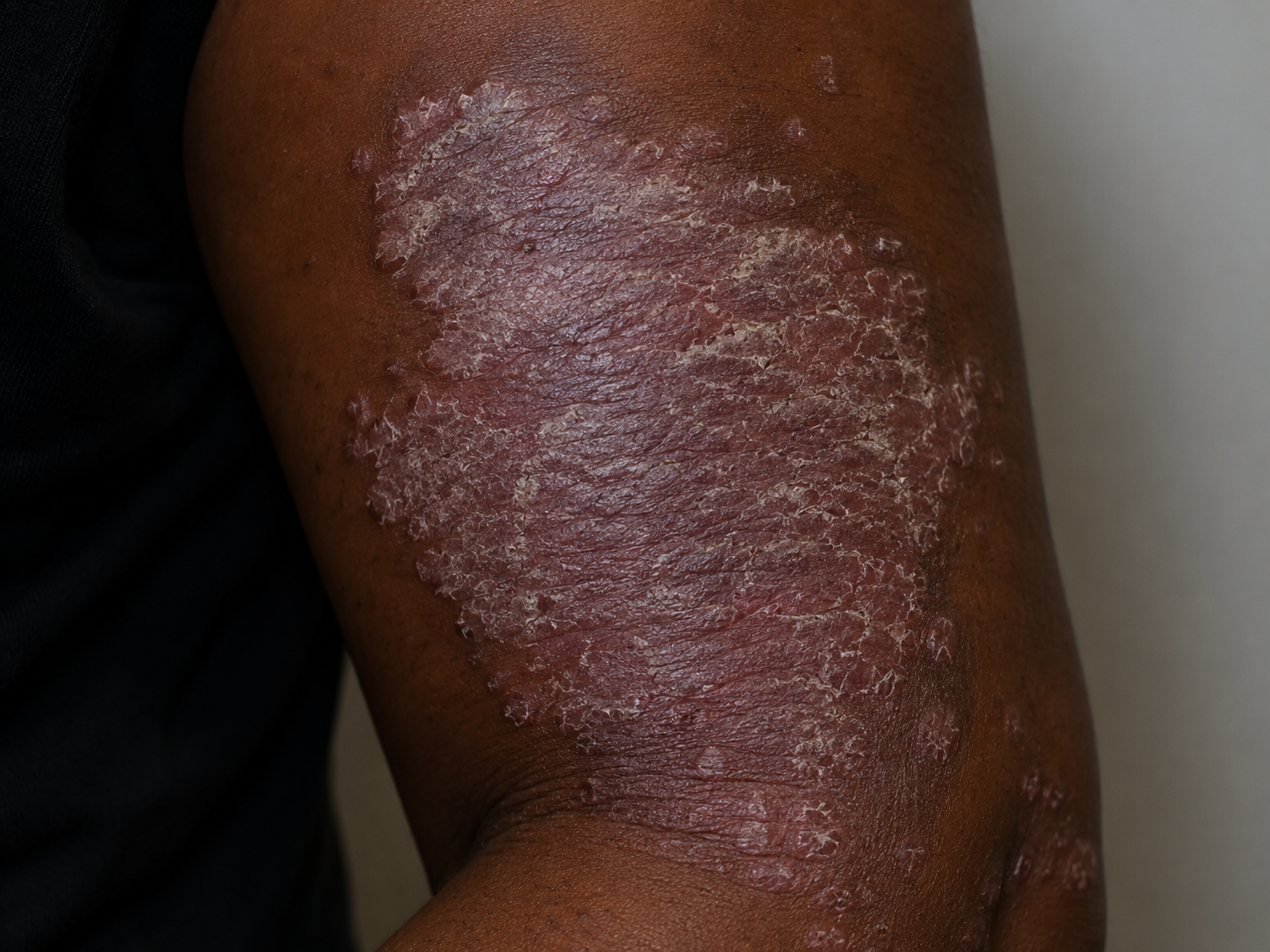
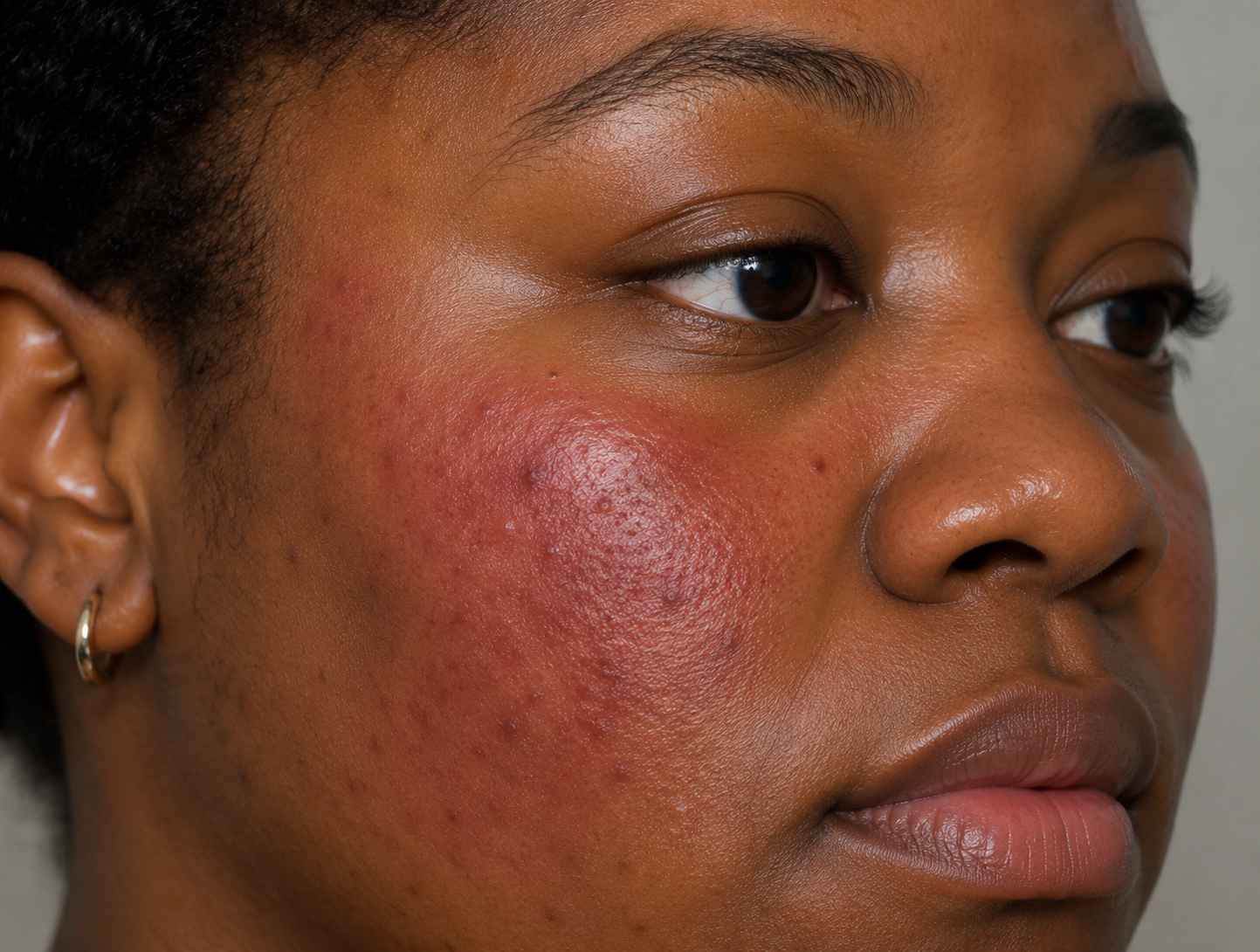
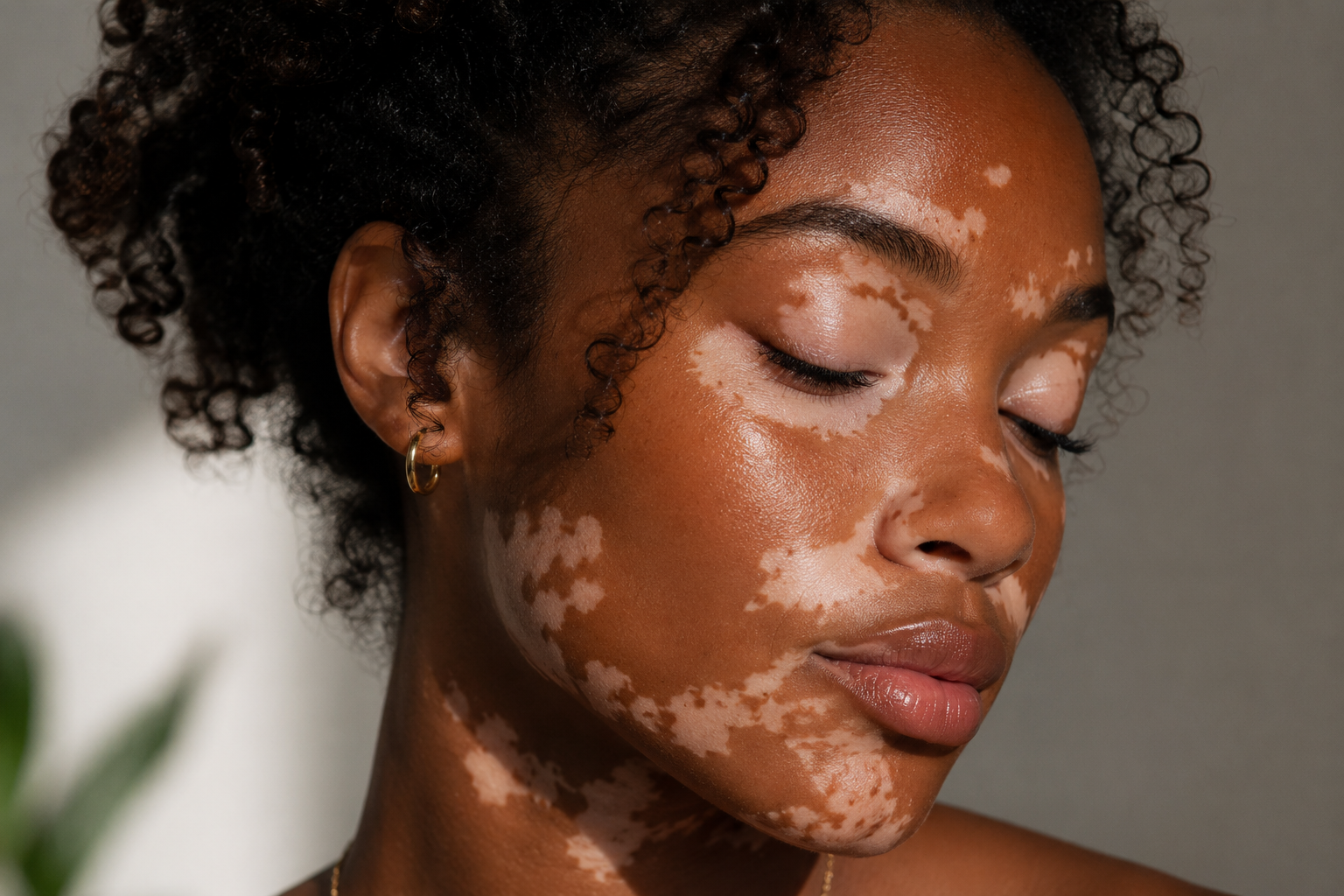
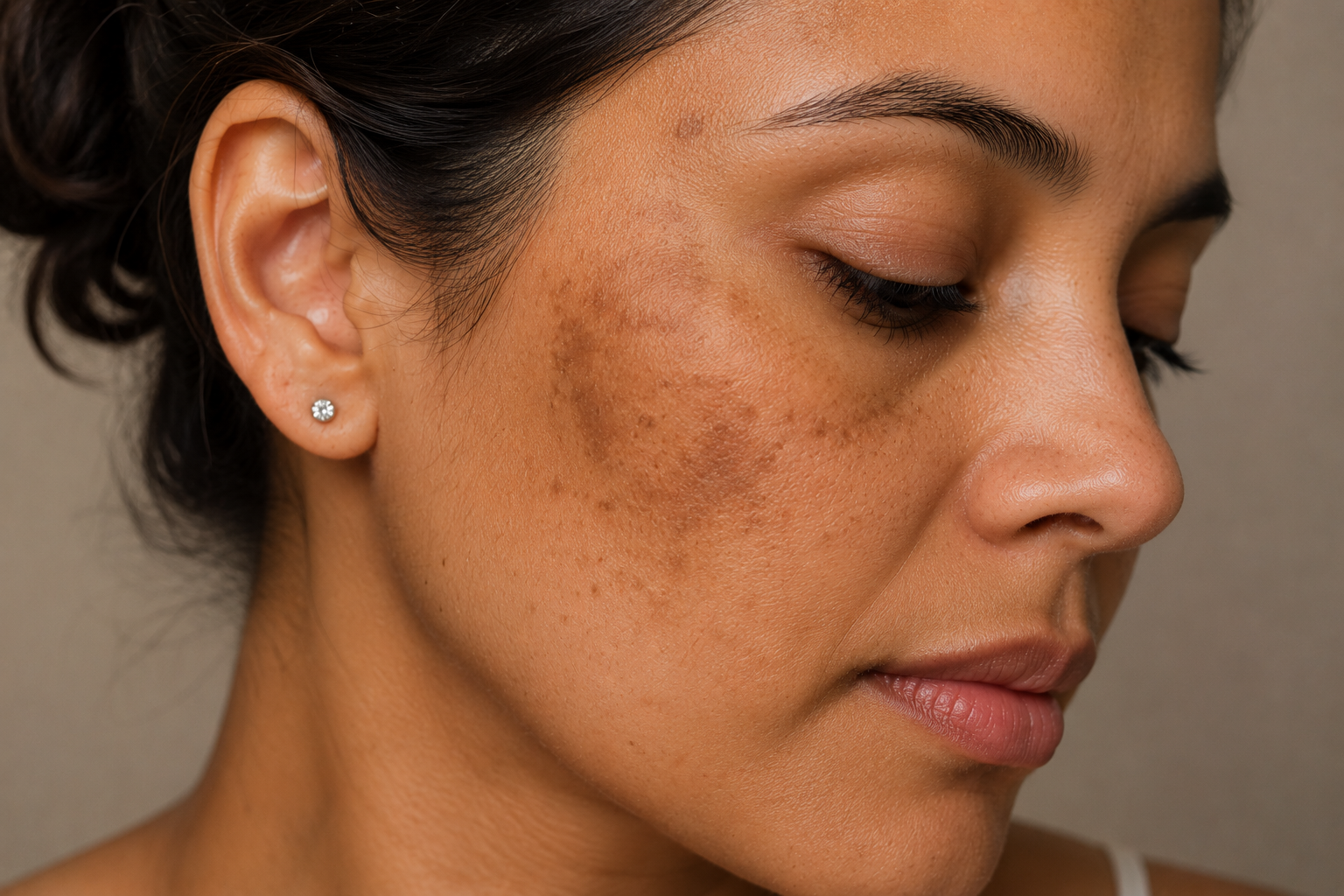
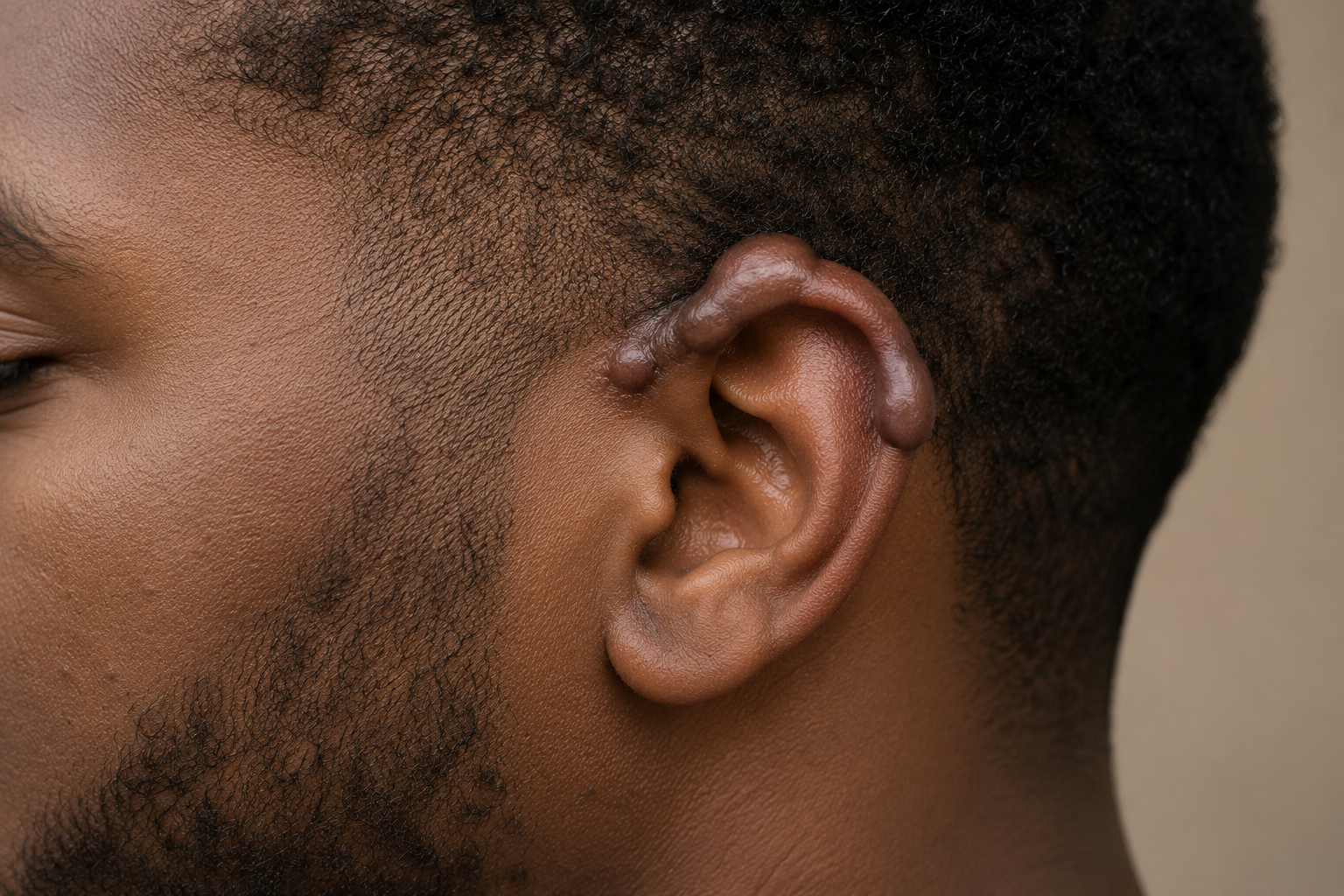
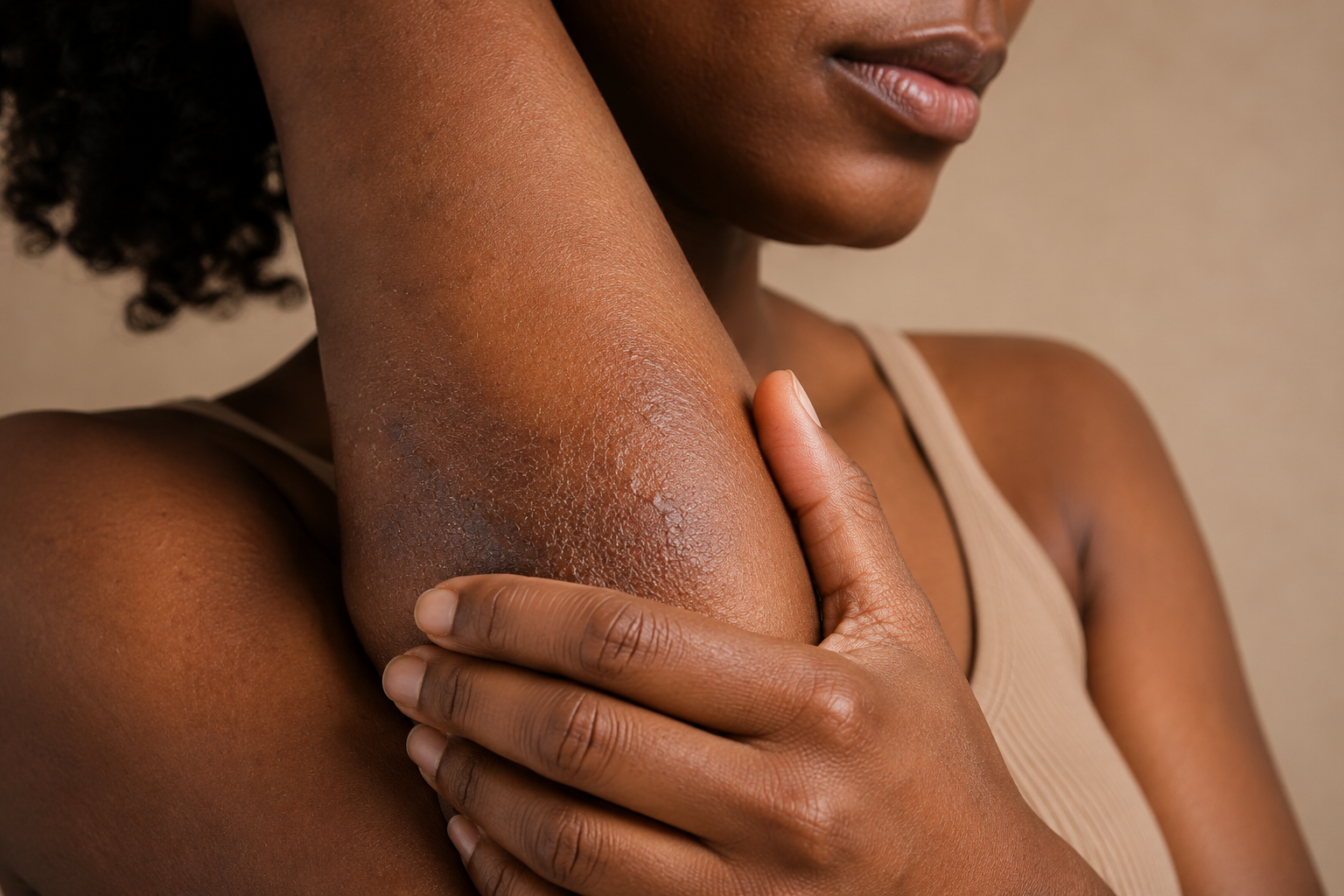
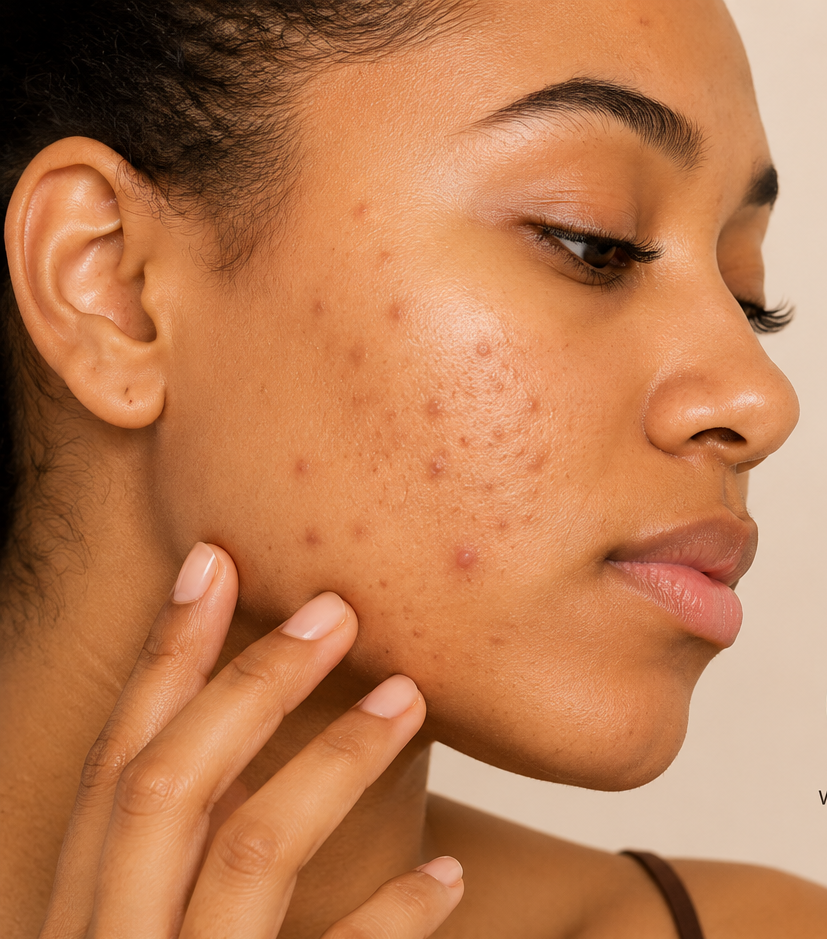
Common Skin Concerns
Hair & Scalp Health